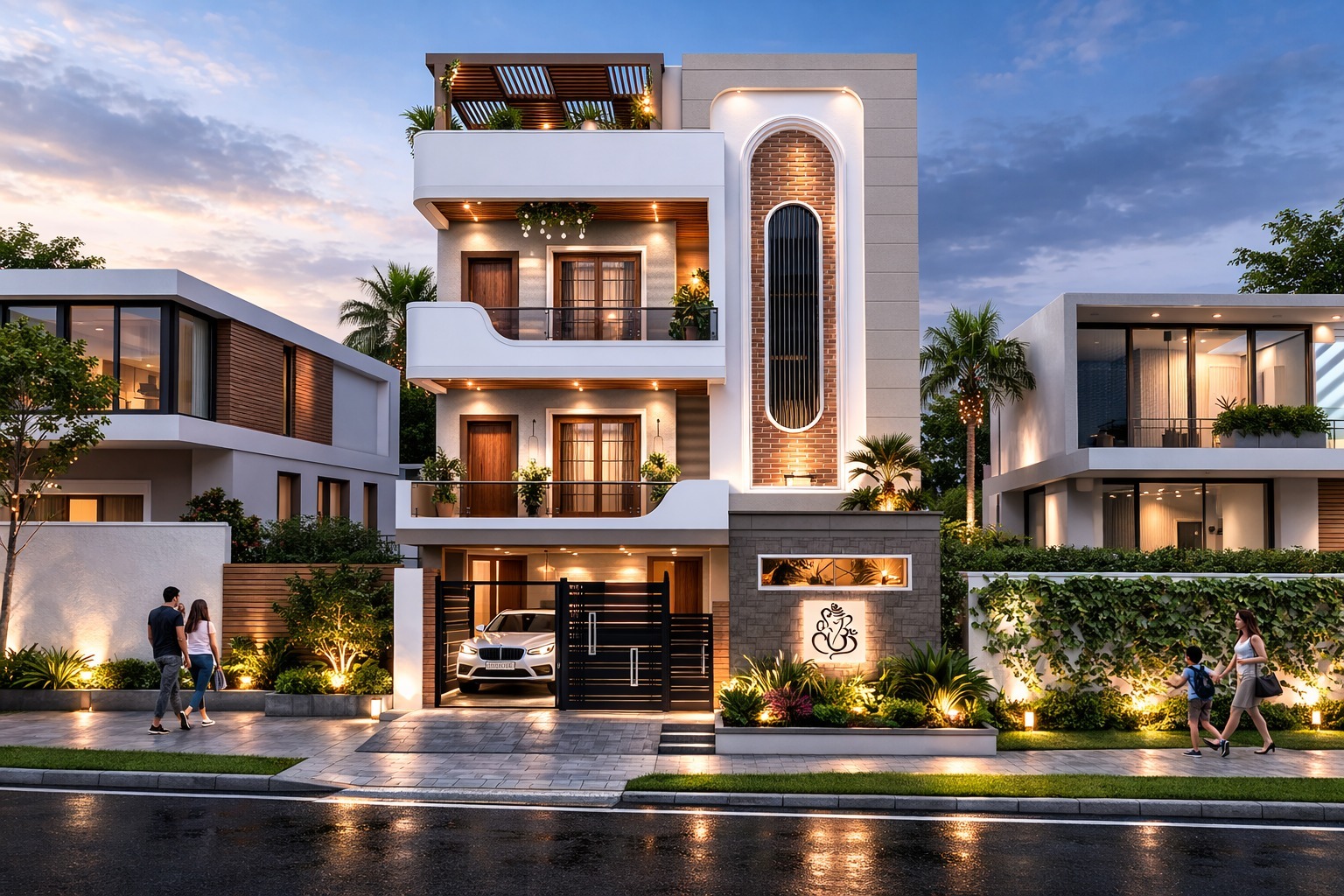
In today’s modern residential architecture industry, the exterior appearance of a home has become just as important as the interior functionality. A thoughtfully designed 3D building front elevation design does more than improve visual appeal — it defines identity, increases property value, enhances architectural balance, and creates a memorable first impression.
Whether you are building a luxury villa, duplex residence, compact urban home, or premium independent house, selecting the right home front elevation design requires strategic planning. The elevation of your property acts as the face of your home and reflects your lifestyle, taste, and architectural vision.
At JPS Construction, we believe that exceptional architecture begins with intelligent visualization. Modern 3D elevation technology allows homeowners to experience their future property before construction even begins. From selecting textures and materials to understanding lighting, symmetry, proportions, and façade detailing, 3D visualization has transformed the way luxury homes are designed.
78
% homeowners prefer 3D elevation previews before construction.
65
% increase in curb appeal through professional elevation planning.
40
% reduction in design modification costs using 3D visualization.
Importance of 3D Elevation Design in Modern Home Construction
The evolution of digital architecture has changed the construction industry dramatically. Earlier, homeowners relied only on 2D sketches and imagination. Today, advanced 3D visualization technology allows clients to experience photorealistic architectural previews before actual construction begins.
A professionally designed 3D elevation design helps identify design flaws, proportion issues, material mismatches, and lighting concerns early in the planning stage. This minimizes expensive changes during execution while helping homeowners achieve a more refined architectural outcome.
Modern exterior elevation design is not simply about aesthetics. It combines engineering, climate responsiveness, energy efficiency, structural harmony, material selection, and visual sophistication. Premium construction companies now use immersive design presentations to help clients make informed architectural decisions with greater confidence.
1. Understand the Architectural Character of Your Home
One of the most important factors while selecting a front elevation architecture is ensuring that the design complements the overall architectural language of the property. Every home has a structural identity. The elevation should enhance that identity rather than conflict with it.
For example, a minimalist contemporary villa often looks best with clean geometric lines, large glass panels, textured concrete surfaces, and neutral color palettes. On the other hand, a traditional luxury residence may require decorative columns, layered balconies, stone textures, arches, and detailed façade elements.
Choosing a mismatched exterior style can negatively affect the visual balance of the home. An ultra-modern façade on a traditionally planned structure may appear disconnected and architecturally inconsistent.
Premium luxury elevation design focuses on proportional harmony. Architects carefully evaluate roof design, balcony placement, façade textures, vertical elements, lighting composition, and material integration to create a cohesive visual identity.
2. Evaluate the Dimensions and Structure of Your Property
Every plot has unique dimensions, orientation, setbacks, and structural limitations. A successful elevation design for home should maximize visual impact while respecting the natural proportions of the structure.
Large villas often benefit from dramatic horizontal elements, floating balconies, double height glass façades, and layered lighting concepts. Compact urban homes, however, require smart vertical design strategies to create a spacious and elegant visual effect.
Duplex elevation design has become increasingly popular in urban luxury housing because it creates architectural depth while maximizing façade utilization. Proper layering, asymmetrical detailing, and intelligent texture combinations can significantly improve curb appeal even on smaller plots.
Another important consideration is natural light and ventilation. Modern building elevation planning should never sacrifice functionality for appearance. Windows, louvers, balconies, and shading systems should contribute both aesthetically and practically.
“Luxury elevation design is not about excessive decoration — it is about achieving timeless sophistication through balance, proportion, and architectural intelligence.”
3. Analyze the Environment and Neighborhood Aesthetics
The surrounding environment plays a major role in determining the effectiveness of your exterior elevation design. Climate, neighboring structures, road width, landscaping, and urban context should all influence your design decisions.
Homes located in premium residential communities often follow a consistent architectural character. While your property should stand out elegantly, it should also blend harmoniously with the surroundings.
For example, homes in tropical regions benefit from shaded balconies, deep overhangs, natural stone textures, and ventilation-focused elevation planning. Urban luxury homes may prioritize privacy screens, premium cladding materials, and minimalist geometry.
Environmental factors such as sunlight direction, rainfall exposure, and dust conditions should also influence material choices and façade detailing. Professional elevation planning ensures that beauty and durability coexist seamlessly.
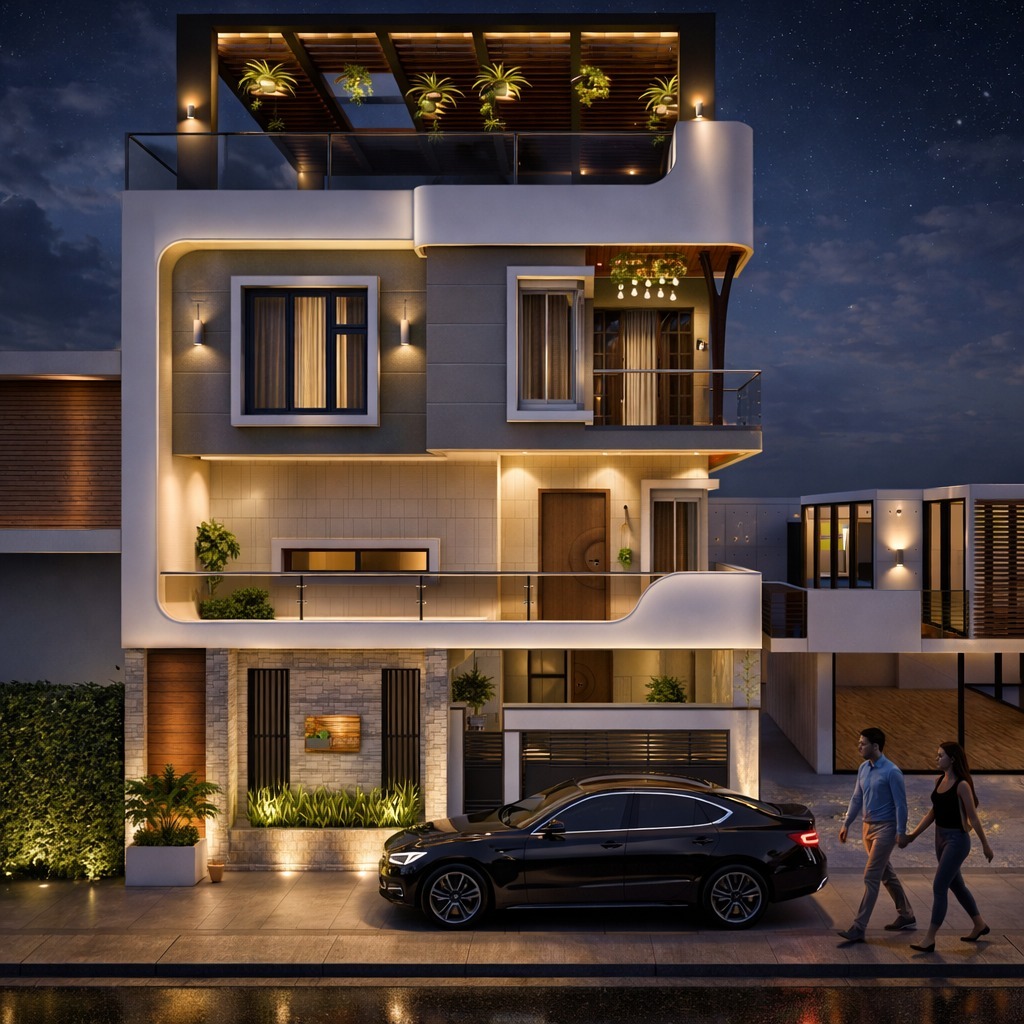
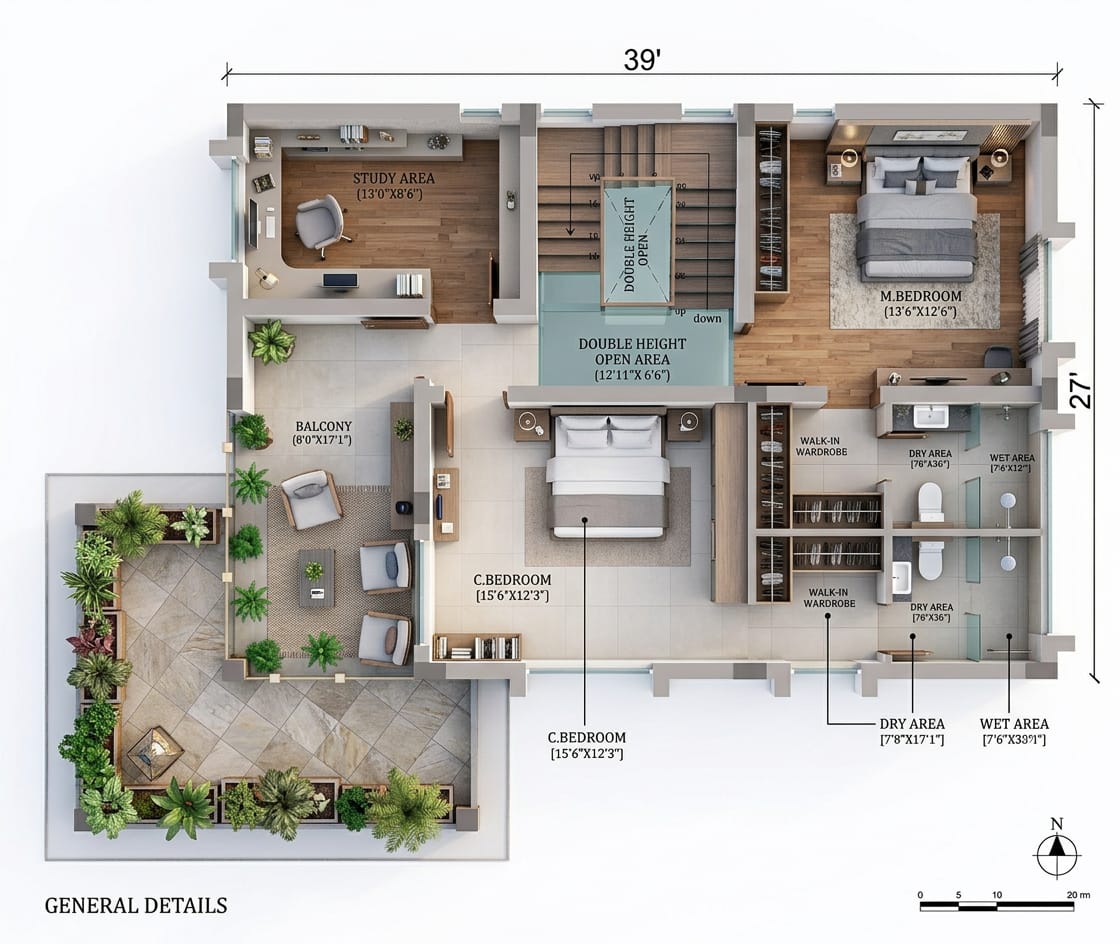
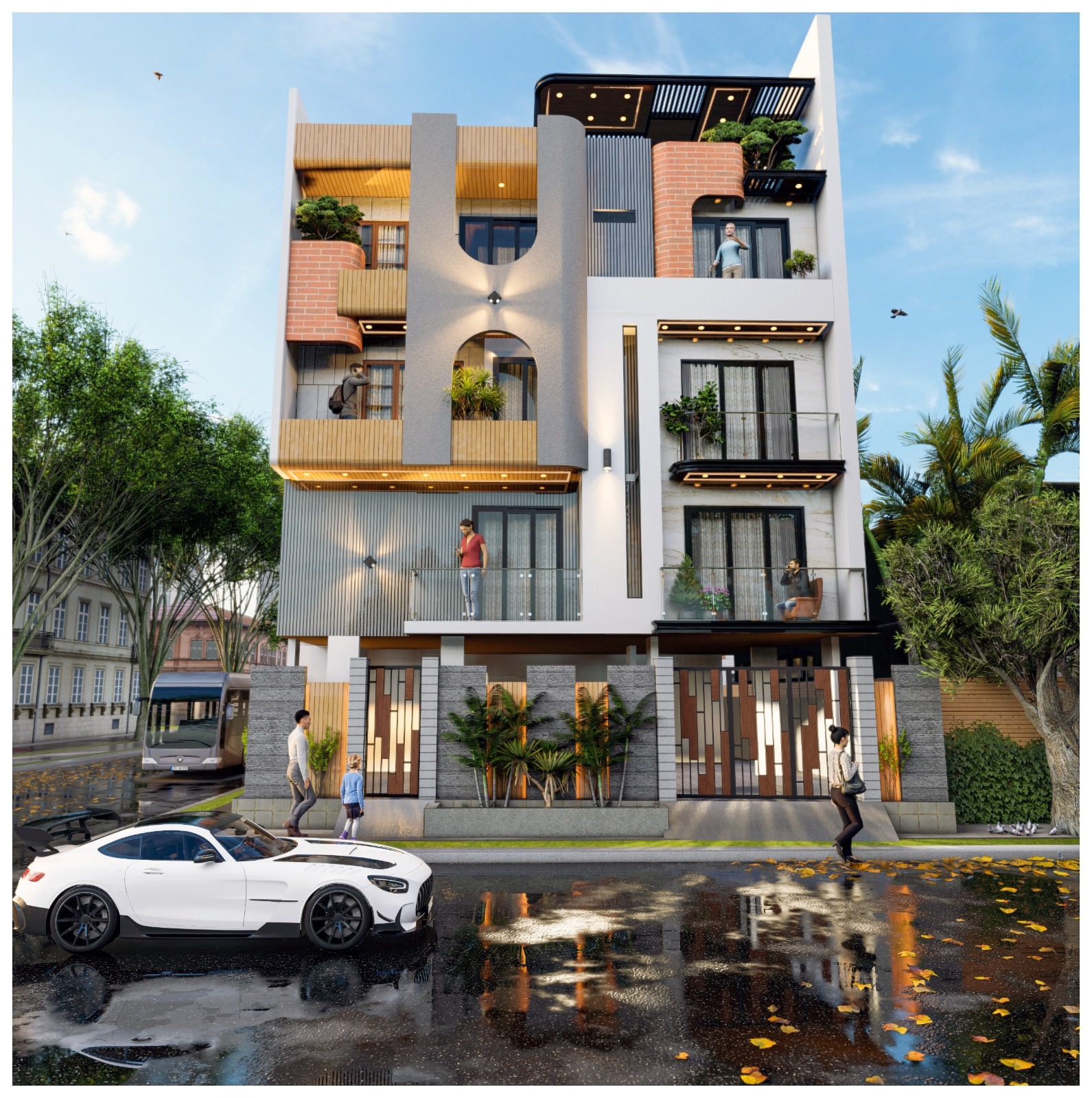
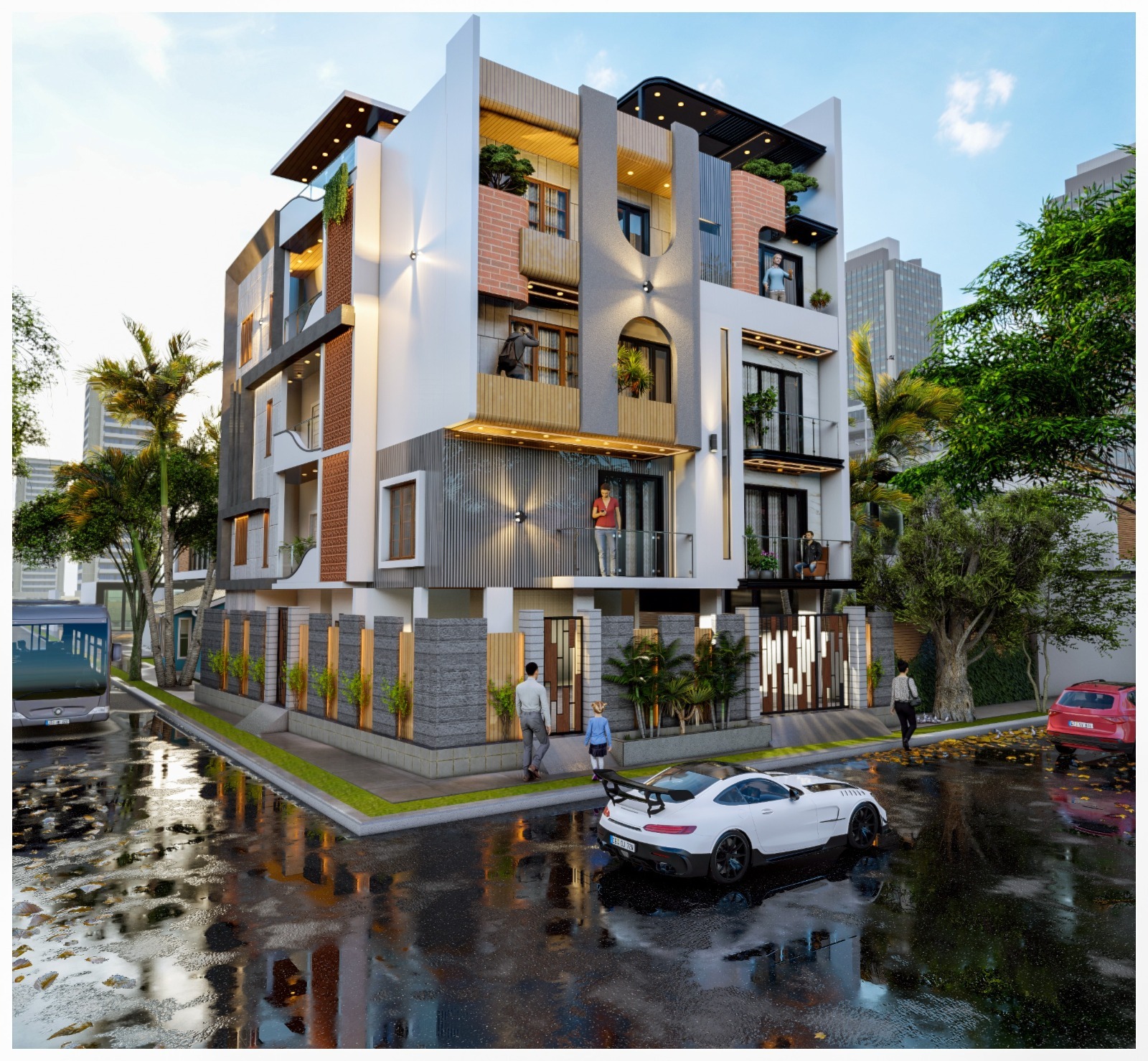
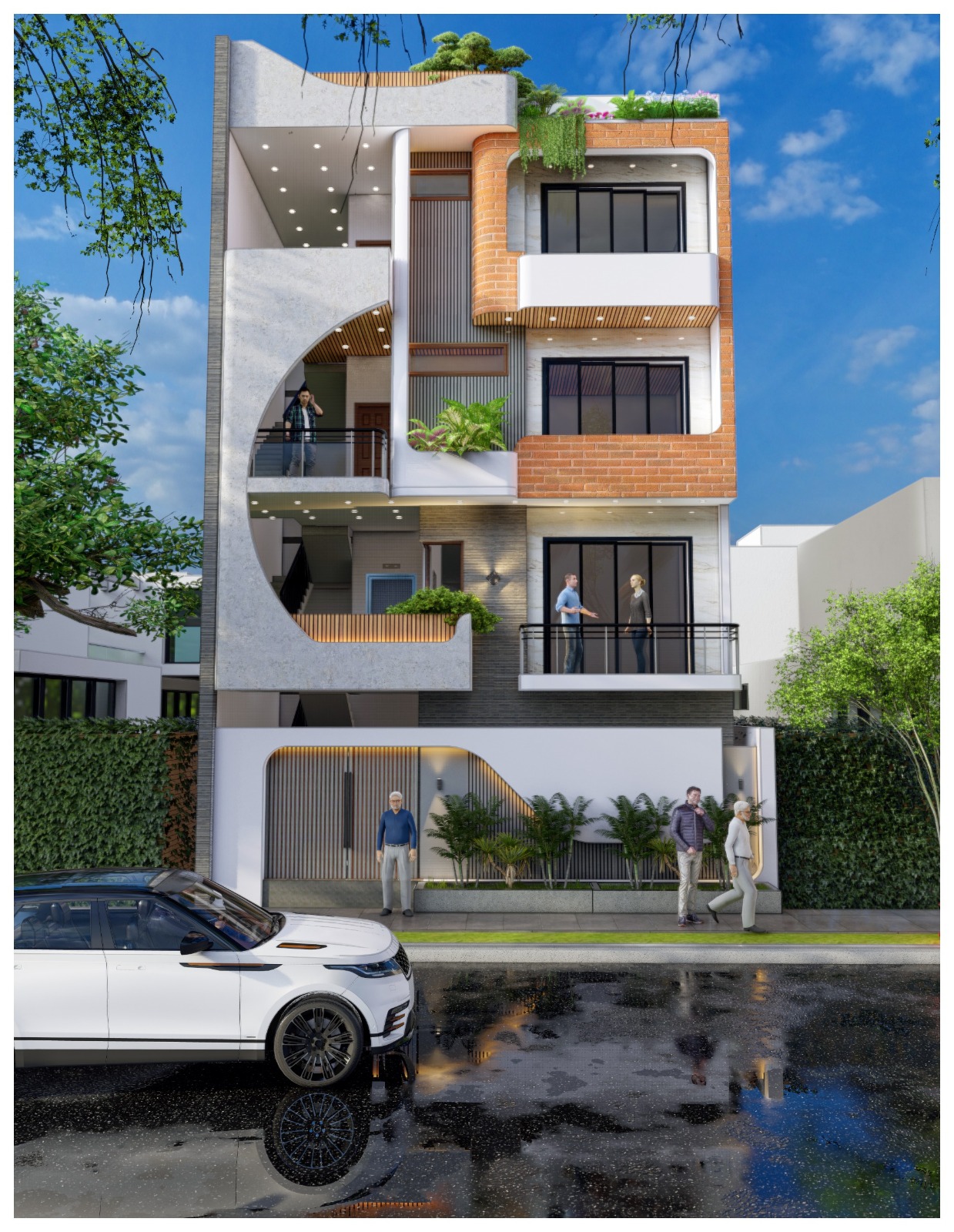
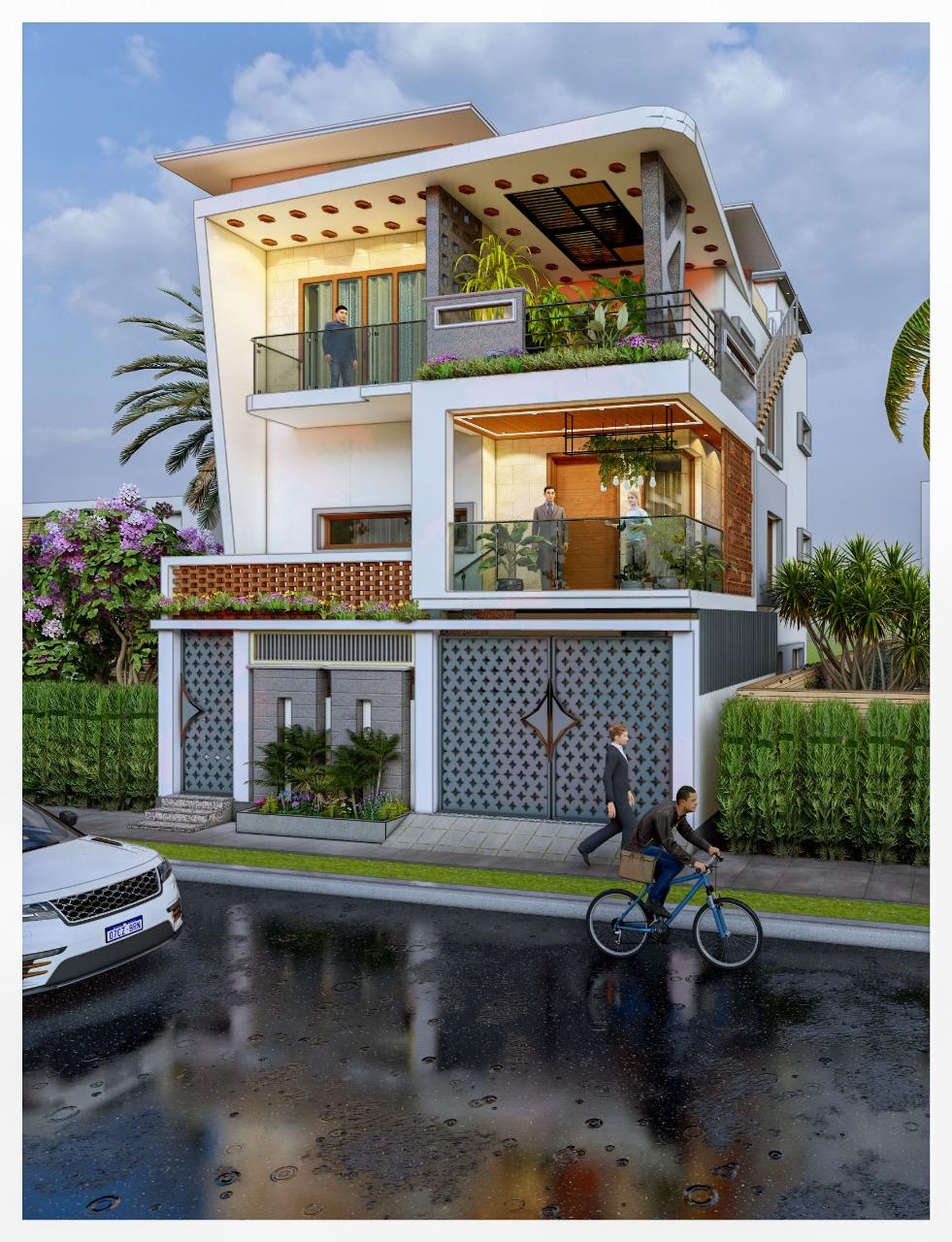
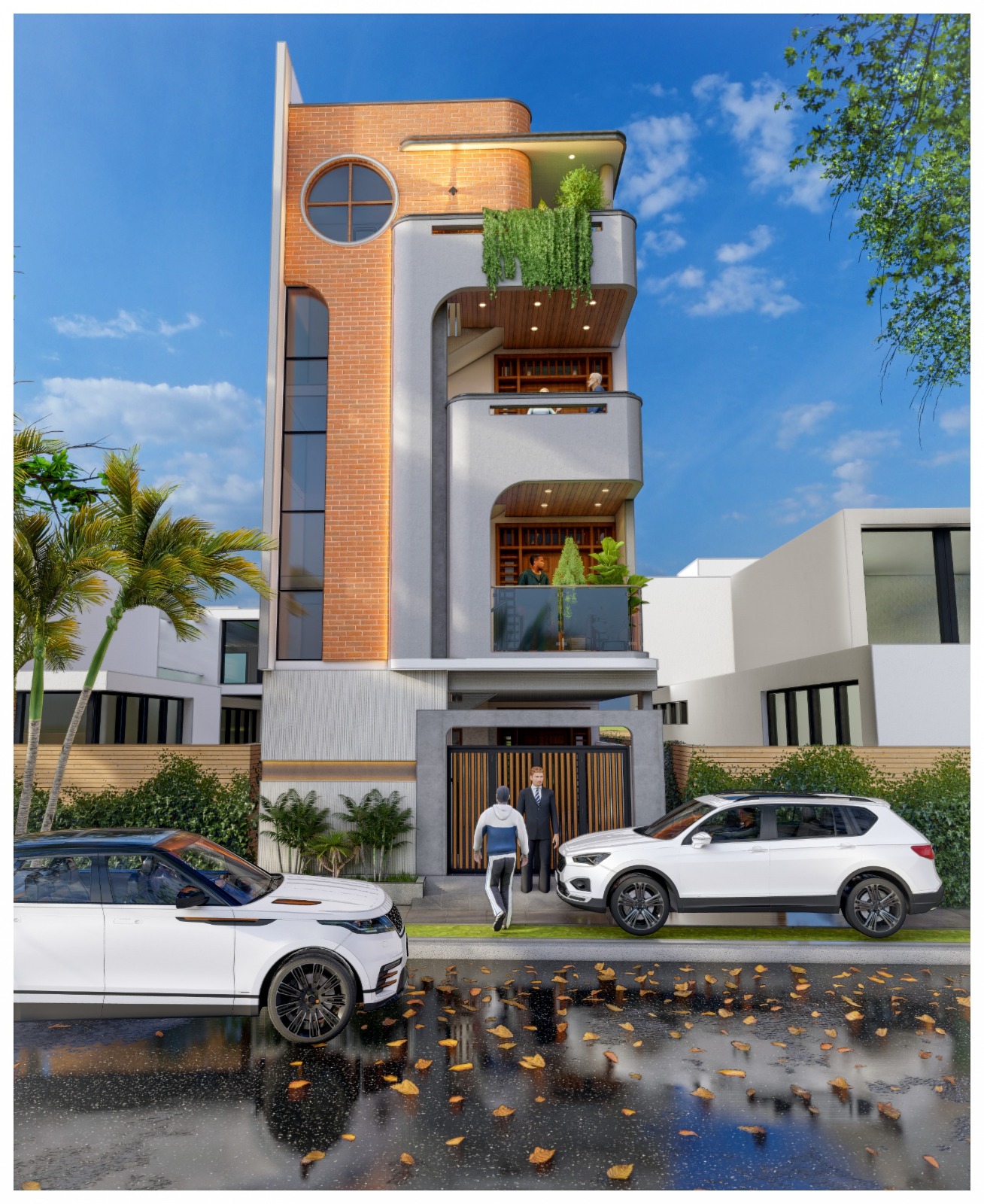
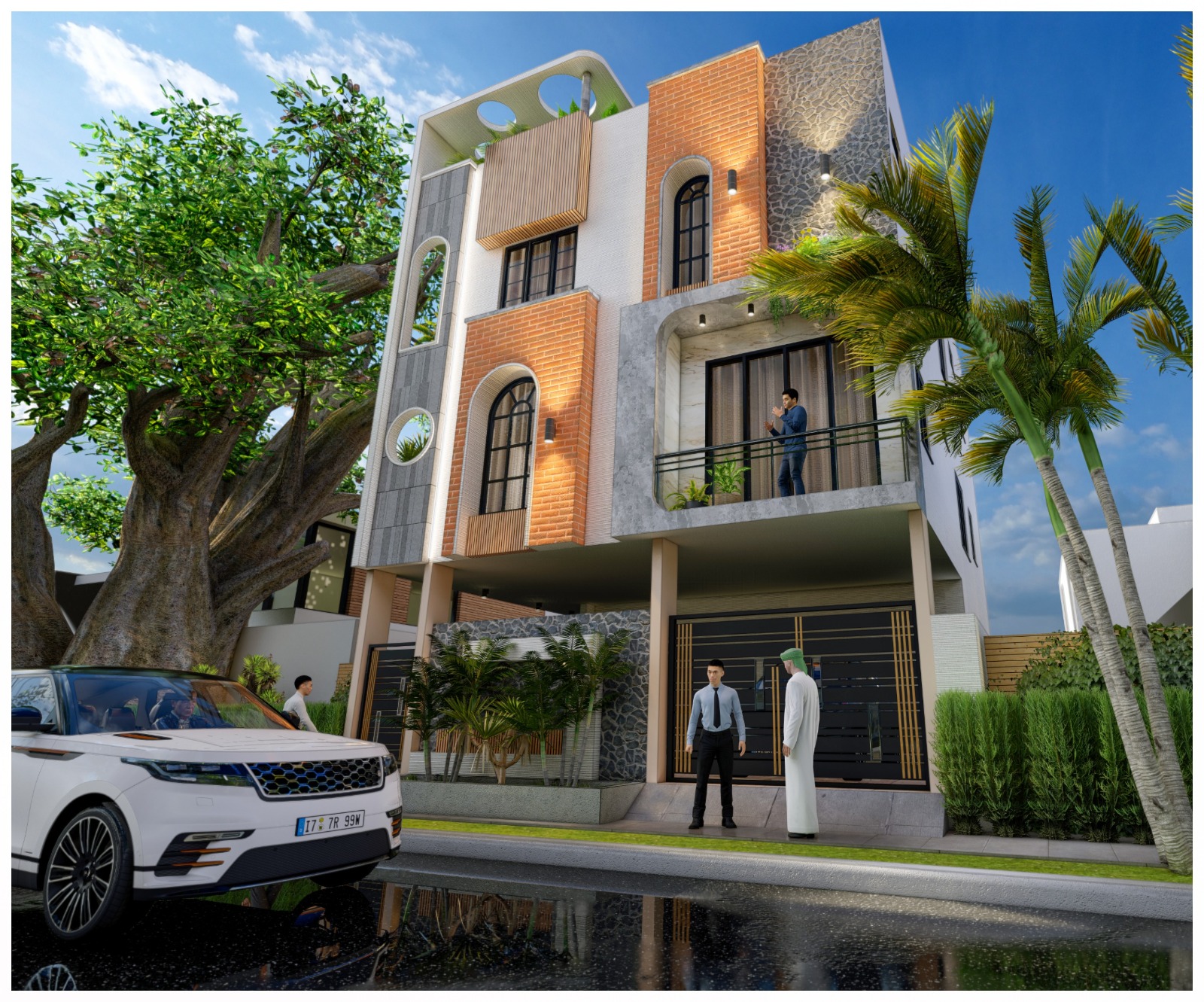
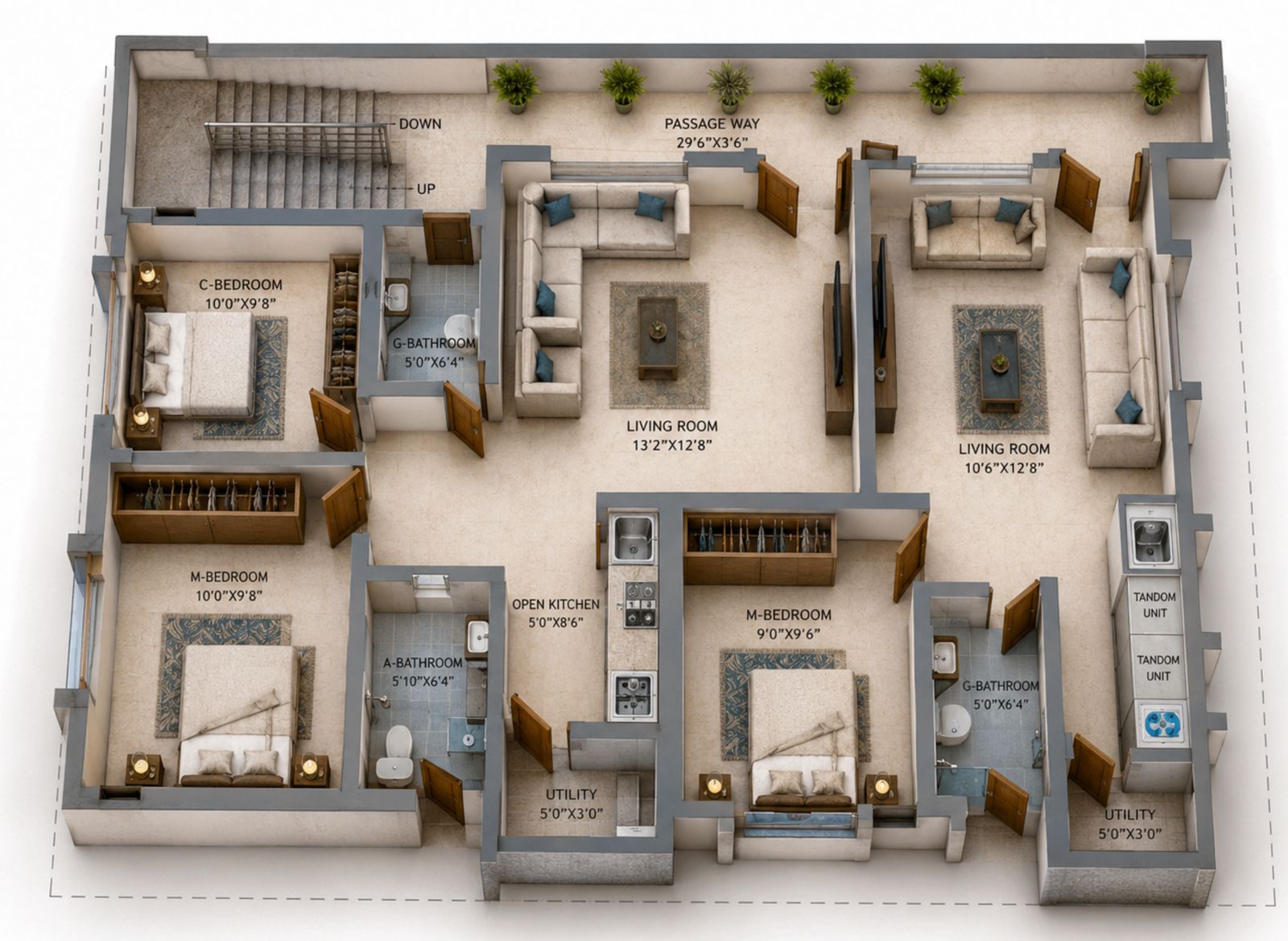
Modern Elevation Design Gallery
Explore premium architectural inspiration curated for luxury residential projects.
4. Reflect Your Lifestyle and Design Preferences
A home should ultimately reflect the personality and lifestyle of its owner. While trends and modern concepts provide inspiration, your personal comfort and visual preferences should guide the final design direction.
Some homeowners prefer ultra-modern elevation concepts with sleek finishes, monochromatic tones, and frameless glass aesthetics. Others may appreciate earthy textures, natural stone finishes, wood-inspired cladding, or traditional architectural detailing.
The key is creating a timeless elevation rather than blindly following short-term design trends. A professionally designed house exterior design balances trend relevance with long-term visual appeal.
Today’s luxury home construction industry also emphasizes personalization through smart lighting integration, customized balcony features, decorative metal accents, artistic façade panels, and landscape coordination.
5. Plan the Elevation Design According to Your Budget
Budget planning is one of the most overlooked aspects of elevation design. Many homeowners finalize visually stunning concepts without understanding the long-term cost implications of premium materials and complex façade detailing.
A luxury elevation does not necessarily require excessive spending. Intelligent architectural planning can achieve elegant results using balanced material selection, optimized geometry, strategic lighting, and carefully curated textures.
Materials such as ACP panels, natural stone cladding, textured paint systems, louvers, aluminum sections, and decorative concrete can dramatically influence overall cost. Professional architects help prioritize investments that deliver maximum visual value.
Homeowners should also account for future maintenance expenses. Certain exterior finishes may require frequent cleaning, polishing, or repainting. Selecting durable and climate-resistant materials ensures long-term value and reduced maintenance costs.
Modern vs Traditional Elevation Styles
Modern house elevation designs typically focus on simplicity, symmetry, open façade composition, and clean visual lines. They often incorporate neutral tones, exposed concrete, glass railing systems, and linear lighting.
Traditional elevation styles, however, emphasize decorative detailing, classic textures, layered moldings, arches, and ornamental elements inspired by cultural architecture.
Contemporary luxury homes increasingly combine both approaches. Hybrid architectural styles blend modern geometry with warm natural textures, creating visually balanced and timeless residences.
Common Mistakes Homeowners Make
One of the most common mistakes is prioritizing appearance over functionality. A beautiful façade without proper ventilation, drainage planning, or sunlight management can create long-term practical issues.
Another major mistake is excessive design complexity. Overusing textures, colors, and decorative elements often creates visual clutter instead of elegance.
Ignoring night-time lighting is another overlooked issue. Luxury elevation design should look equally impressive during evening hours through layered architectural lighting strategies.
Trending Front Elevation Ideas in 2026
In 2026, architectural trends are shifting toward sustainable luxury and minimalist sophistication. Homeowners increasingly prefer earthy textures, warm lighting, hidden façade illumination, oversized windows, vertical greenery, and smart material combinations.
Popular premium elevation concepts include:
- Floating balcony designs
- Large frameless glass façades
- Textured concrete finishes
- Natural stone cladding
- Metallic architectural accents
- Warm LED façade lighting
- Minimalist monochrome themes
Choosing Materials for Elevation Design
Material selection plays a critical role in determining the visual quality and longevity of your front elevation architecture. Premium materials create depth, texture, and luxury appeal while ensuring weather resistance.
Natural stone remains one of the most preferred choices for luxury home construction due to its timeless appearance and durability. Wood-finish HPL panels provide warmth while maintaining modern sophistication.
Glass, aluminum, textured concrete, decorative louvers, and premium paint systems are also widely used in modern residential elevation design. The best results are achieved when materials are balanced thoughtfully rather than overused.
Expert Tips from JPS Construction
Prioritize Natural Lighting
Intelligent façade orientation improves energy efficiency and enhances architectural depth.
Invest in Quality Materials
Premium exterior finishes ensure long-term durability and timeless visual appeal.
Use 3D Visualization Early
Realistic previews minimize design errors and improve planning confidence.
Balance Simplicity & Luxury
Elegant minimalism often creates a stronger premium impression than excessive detailing.